
Before you start falling, you need to warm up. No exception.
It sounds obvious, but past 40 it’s a lot less obvious than at 15, when you could walk into the dojo and start throwing yourself on the mat with zero preparation.
A cold body doesn’t forgive impact, and falling on an unprepared muscle or joint is the fast track to an injury you could have avoided.
In short:
I’m 44, and I can tell you the bill comes due fast.
Skip the warm-up because I’m short on time, and I get muscle soreness on cue, with shoulders that ache for two days.
So the warm-up isn’t a box to tick before stepping on the mat. It’s what decides whether the session will be a good one, or whether you’ll pay for it the next day.
Why a body in its 40s doesn’t warm up like a body at 15
At 15, you’d show up at the dojo, run two laps around the tatami, do three quick stretches and jump straight into falls without thinking about it.
The body kept up. So did recovery. If you fell badly, you slept it off in one night, tops.
Past 40, that’s over.
Muscles take longer to warm up, the tissue around the joints is less elastic, and the margin for error on absorbing a fall has shrunk noticeably.
A poorly prepared fall at 15 was a bruise. At 45, it’s three days of not being able to lift your arm above your head, or a back that reminds you of the session for a week.
The older you get, the longer and more gradual the warm-up needs to be. After 40, it’s not optional. It’s the condition for your body to last.
Two parts: getting going, then targeted mobility
Warming up for ukemi plays out in two parts: cardio-muscular activation first, then targeted mobility work on the areas that will take the hit.
Part 1 – Getting going
For this part, no need to reinvent the wheel.
A bit of light jogging on the tatami, some side steps, squats, a few frog jumps if you’re feeling up to it.
The goal is to raise your body temperature, switch the muscles on, and get the joints ready for impact.
Ten to fifteen minutes is enough to be in proper shape, and in most clubs that’s already what gets done at the start of the session.
I prefer to get ahead of it.
I usually show up at the dojo a good twenty minutes early to warm up on my own, in a corner of the mat or in the second dojo when it’s free.
Light jogging, squats, hip mobility, getting the hand joints loose. Nothing complicated, but it means I walk into the group warm-up with a body that’s already warm rather than cold.
Part 2 – Targeted mobility
Once the body is warm, you move on to joint mobility on the areas specifically used in falls. The point isn’t to stretch a cold muscle to gain flexibility, but to move each joint through its working range with controlled, progressive movements.
Rotations, circles, slow back-and-forth movements.
The areas not to skip when preparing for falls:
- Shoulders: they absorb the slap on every ukemi
- Biceps and triceps: these are the arms that hit the tatami
- Neck: chin tucked means neck muscles working
- Lower body: psoas, hips, hamstrings, in that order of priority
A stiff psoas on a back fall means tension spreading into the back, and that can wreck your whole session.
Hips that don’t rotate freely mean a mae-mawari-ukemi that ends in a hard landing on the shoulder.
These areas aren’t optional in your prep. They’re the condition for the fall to stay clean.
Sign up for the newsletter
One email a month with techniques, recovery tips and honest reflections for judoka returning after 40.
Falls go at the start of the session, not at the end
One more thing worth keeping in mind: falls are better practised at the start of the session than at the end.
Technical quality drops a fair bit when you’re tired, and the end of training is exactly when you risk taking an ugly fall because you don’t have the energy left to absorb it properly.
At my club, ukemi are integrated straight into the warm-up, right after the activation part.
I think it’s the right call: warm body, sharp focus, no fatigue creeping into the movement yet.
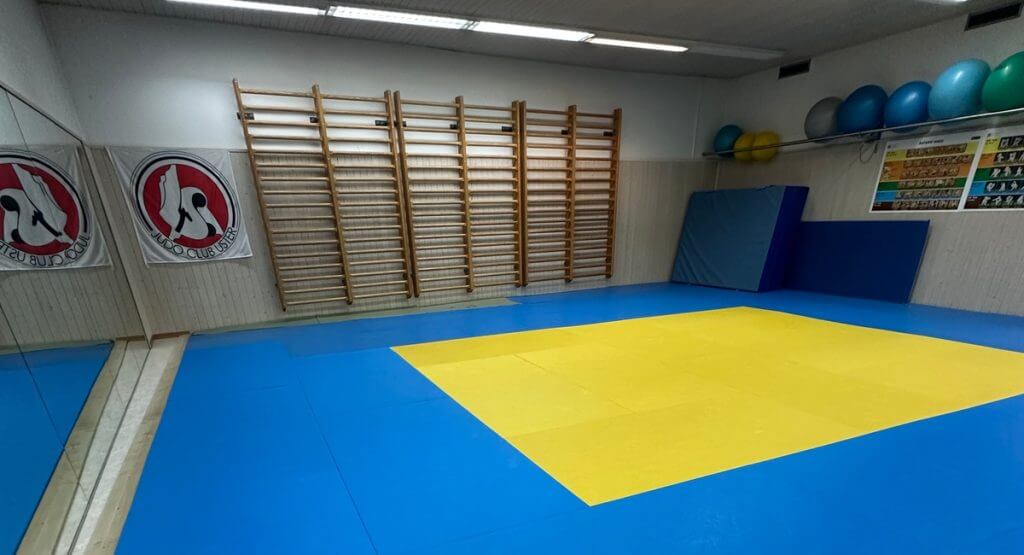
This logic becomes obvious the moment you take on a heavy block of falls.
When I prepare kata with my partner for the grade test, we put a lot of focus on the warm-up before we start.
Crawling, pulling our bodies across the mat with the arms, rolls, gradual muscle activation.
We do a lot of it because we know the ukemi will be coming non-stop for a solid hour of technical work.
A poorly prepared body, over that kind of volume, means injury guaranteed.
The technical rules apply from the very first fall
One last point, even though this page is about the warm-up.
The two technical rules (the hand that absorbs, the chin tucked) apply from the very first fall of the warm-up.
There’s no such thing as a “warm-up fall” where you can let yourself go soft because it’s gentle or because the body isn’t fully on yet.
Every fall counts, even the one that looks like nothing. And it’s often on those “easy” falls early in the session that people get hurt, because they let their guard down while the body isn’t fully on yet.
After 40, warming up isn’t optional
After 40, the warm-up is no longer a formality before the real training starts.
It’s what decides whether the session goes the way it should, or whether you’ll pay for it for two days.
Gradual activation of the body, targeted mobility on the areas that take the hit, ukemi placed early in the session while focus is still sharp.
It’s not complicated, but it does mean taking those ten to fifteen minutes seriously every single time.
Once the body is ready, what’s left is applying the right moves when it’s time to fall. The two technical rules for falling without getting hurt apply from the very first ukemi of the session. And if you’re coming back to judo after a long break, take a look at the three-step progression for rebuilding your reflexes without rushing it.
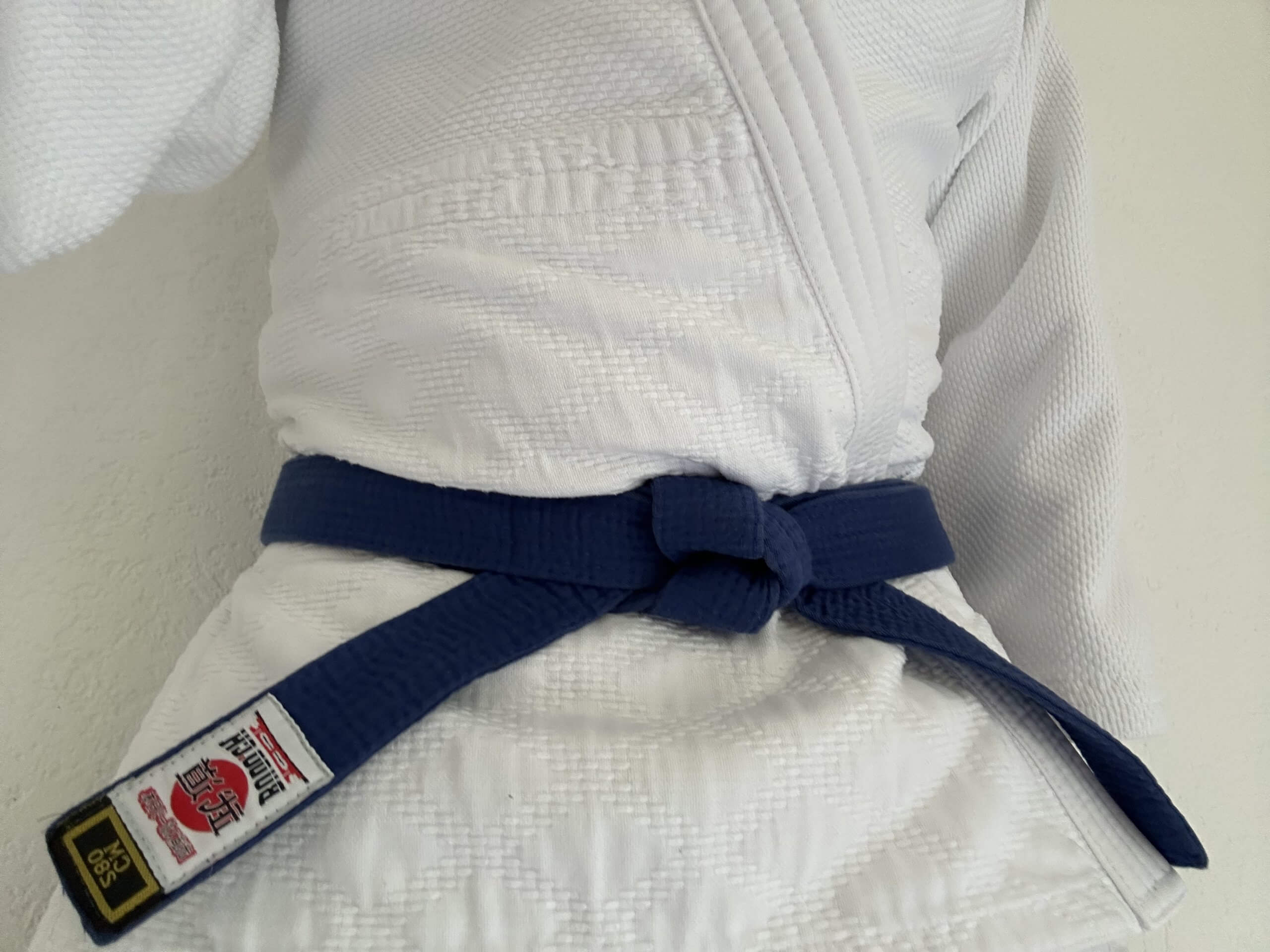
Trained in the 90s at the Judo Club Arlésien in the south of France, I got back into judo at 43 after a 27-year break.
Currently a blue belt, I train regularly with one clear goal: black belt before 50.
I’m not a sensei or a coach, just someone who’s been through the comeback and shares what he learns along the way.
RestartJudo is everything I wish I’d found when I stepped back on the tatami.
Related articles:
- Why falling feels scary after 40 (and how to get past it) – the mindset and psychological angle
- Relearning breakfalls step by step: the on-knees, crouched, standing method – the practical progression guide
- The 2 technical rules for falling without getting hurt in judo – the mechanics of the slap
- Randori after 40: why you need to accept the fall rather than resist – the mental shift
Sign up for the newsletter
One email a month with techniques, recovery tips and honest reflections for judoka returning after 40.